COCKROACH

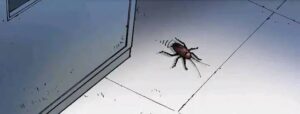


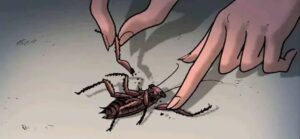




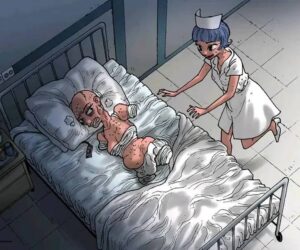
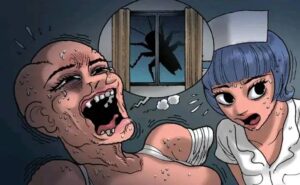


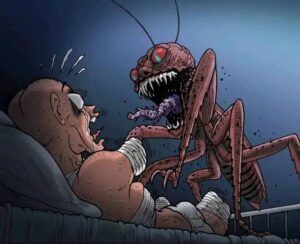

The cockroach doesn’t care that you hate it.
While you’re asleep, it strolls across your kitchen counter like it pays rent. It has been doing this, in one form or another, for 320 million years (older than trees, older than flowers, older than dinosaurs). When the asteroid hit and the sky burned, cockroaches shrugged and kept breeding in the dark. They will be here long after the last human flips the last light switch.
People call them filthy. Fair. They eat garbage, glue, toothpaste, the dead skin you shed in bed. But “filthy” implies judgment, and the cockroach is beyond judgment. It is a perfect survival machine: flat enough to hide under a dime, fast enough to vanish before your scream finishes, able to live a week without its head because its brain is optional when your entire body is a backup plan. Cut it in half and both ends keep walking for a while, like a bad breakup.
They don’t even need sex to reproduce sometimes. A female can mate once and store the sperm for years, or just clone herself if no males are around. Parthen you wake up one morning and there are thirty where there was one. Democracy in action.
We gas them, poison them, step on them with religious fury. They evolve resistance in a single generation and send the survivors to scout your new apartment. There is a species in Japan that has learned to live on instant noodles and beer. Another in Australia that glows blue when threatened, like it’s mocking us with bioluminescence.
Ernest Hemingway supposedly said the cockroach is the only creature that would inherit the earth if humans disappeared. He was wrong. They wouldn’t inherit it. They were already here. We’re just renting.
So next time you see one freeze under the fridge light, legs splayed in that guilty posture, remember: it’s not afraid of you. It’s waiting. It has time. It always has time.