We should not judge others bodies…. 👃🏻 👃
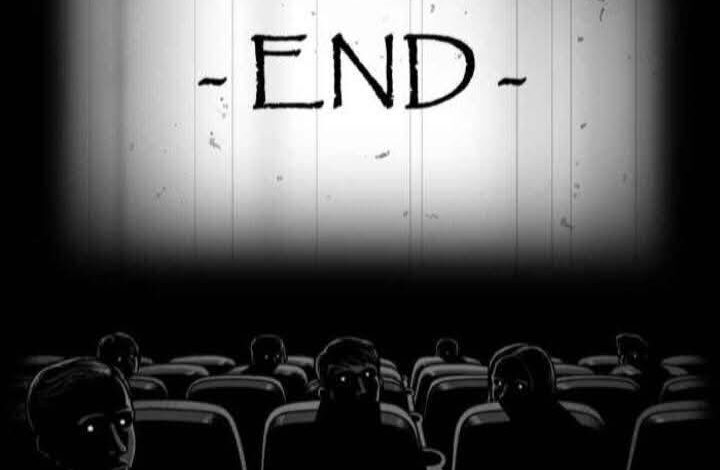












The Trap of Judging Others
We all do it. Someone cuts you off in traffic, and suddenly they’re a reckless idiot. A coworker shares an opinion you disagree with, and in your mind, they’re naive or closed-minded. A stranger dresses differently, and you quietly label them as trying too hard or not trying enough. Judging others is one of the most instinctive human habits—like breathing, we rarely notice we’re doing it until it’s pointed out.
But here’s the uncomfortable truth: judging others says far more about us than it does about them.
When we judge, we’re often projecting our own insecurities, fears, or unresolved issues. That harsh criticism you level at someone’s laziness? It might stem from your own guilt about not working hard enough. The quick dismissal of someone’s choices? Perhaps a defense against questioning your own path. As the old saying goes (often misattributed but still wise): “We don’t see things as they are; we see them as we are.”
Judging also creates distance. It turns people into caricatures—flattening complex human beings with histories, struggles, and reasons into simple categories: good/bad, smart/dumb, worthy/unworthy. In doing so, we rob ourselves of connection, empathy, and the chance to learn something new.
Of course, discernment isn’t the same as judgment. We need to evaluate actions, especially when they affect us or others—setting boundaries, recognizing harm, making informed decisions. That’s wisdom. Judgment, though, is when evaluation turns into superiority, when we appoint ourselves as the silent arbiter of someone else’s worth.
The antidote? Awareness and curiosity.
Pause before the label forms. Ask: Why am I reacting this strongly? What might their side of the story be? Have I ever been in a similar position? Replace the snap judgment with a question. Turn “They’re so annoying” into “I wonder what’s going on for them today.”
It’s not about never having critical thoughts—they’ll come. It’s about not letting them define how we see people, or worse, how we treat them.
In the end, the less energy we spend judging others, the more we have for understanding them—and ourselves. And in a world quick to condemn, choosing understanding isn’t weakness. It’s strength.