Elvis, Ann-Margret, and the Glittery Goofs You Never Noticed
Next time you watch Viva Las Vegas, keep your finger on the pause button—because the movie that made Elvis grin wider than ever is also stuffed with tiny slip-ups, hidden cameos, and backstage drama that still sparkle sixty years later. The King and the Swedish bombshell sizzle from the first frame, but if you blink you’ll miss the white tape jumping on and off Elvis’s fingers during the “What’d I Say” number, or the fact that his rival Count Mancini survives a flaming car crash with nothing more than a wrinkled tux. One second the Count is barrel-rolling through dust, the next he’s politely applauding at the wedding, bandage-free and sipping champagne—movie magic at its most forgiving.
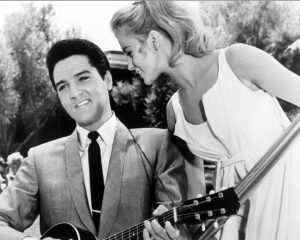
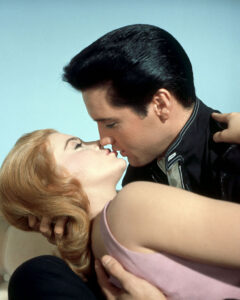
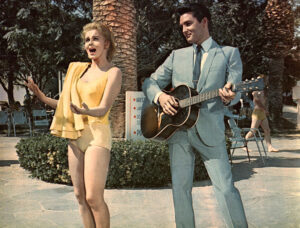
Look even closer and you’ll spot a young Teri Garr shaking it in a black-trimmed top behind Ann-Margret, years before Oscar nominations entered her vocabulary. Glen Campbell strums uncredited guitar licks on the very same soundtrack, while Elvis’s own bodyguard Red West pops up in three different bit roles—watch for the mustache that keeps reappearing like a running joke only the crew was in on. And if you wonder why Elvis sometimes lip-syncs half a beat late, blame director George Sidney’s obsession with his leading lady; Elvis griped that half the shots were framed to show off Ann-Margret’s high kicks instead of his hip swivels, prompting Colonel Parker to storm the set and remind everyone whose name sold the tickets.
Old Vegas itself sneaks into the fun. The opening montage races past neon giants, but only six of those casinos still stand today; the rest were imploded to make room for bigger, flashier dreams. Inside those lost landmarks, the cameras chased Ann-Margret’s fringe and Elvis’s grin, capturing a city that was still young enough to believe in souped-up race cars and love at first swivel. The film clocks in at a tight eighty-five minutes—the shortest of Elvis’s career—yet it out-earned even Blue Hawaii by nearly half a million dollars, proving that chemistry sells faster than any beach backdrop.
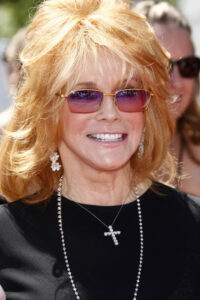
Behind the scenes, sparks flew just as hard. When they met on an empty MGM soundstage, both stars spoke at the same time—“I’ve heard a lot about you”—and burst into the kind of laughter that sounds like a starting pistol. Motorcycle rides up desert hills followed, plus late-night talks about mothers, God, and the weird loneliness of screaming fans. Elvis mailed guitar-shaped flower arrangements every time Ann-Margret played Vegas, right up until August 1977 when the bouquets stopped and she knew before the radio confirmed it. She still keeps one dried petal in a jewelry box, a tiny piece of the era when two shy kids became the hottest thing on celluloid and left the rest of us trying to copy moves that looked effortless but were actually the product of bruised knees and endless takes.
So rewind the dance sequence, crank up the volume, and let David Winters’s choreography blast through your living room. Notice how Ann-Margret spins so fast her hair becomes a blonde comet, how Elvis matches her step for step even while his lips move a hair off the lyric.
Those little flaws are the fingerprints of human joy—proof that perfection isn’t what makes a movie last; it’s the heartbeat you feel when two people forget the camera is rolling and simply light up the screen. Share the clip, tag a friend, and keep the neon glowing—because every time we press play, Vegas wins again, and so do we.\