Salty opp’s







The Humble Crystal That Shaped the World: Salt
Salt, or sodium chloride (NaCl), is one of the most essential and ubiquitous substances on Earth. It’s the only rock we eat, a mineral that enhances flavor, preserves food, and has played a pivotal role in human history, economy, and even language.
A Brief History
Salt production dates back over 8,000 years, with early evidence from around 6000 BC in Romania and China. Ancient civilizations valued it highly for preserving food—essential before refrigeration. In Egypt, it was used in mummification; in Rome, soldiers were sometimes paid in salt, giving us the word “salary” (from Latin salarium). Cities like Salzburg (“salt castle”) and roads like Italy’s Via Salaria arose from salt trade. Salt monopolies fueled empires, from Venice’s rise to Gandhi’s famous Salt March protesting British taxes in India. Wars, trade routes, and settlements often followed salt sources—animals created paths to salt licks, humans followed, building roads and cities.
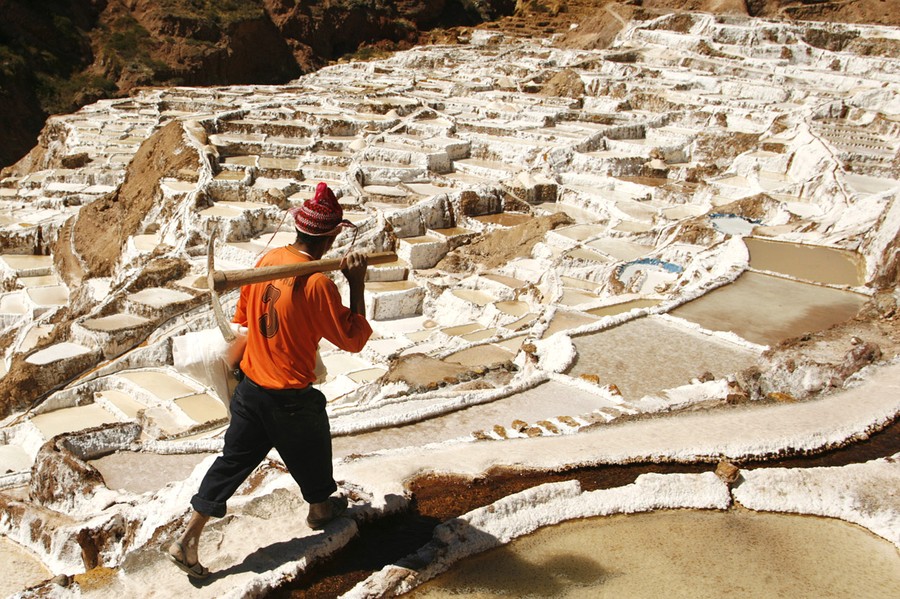

Ancient salt mines, like those in Hallstatt, Austria (dating to 800 BC), showcase humanity’s deep pursuit of this resource.
Types and Production
Today, salt comes from mines (rock salt) or evaporation of seawater/lakes.


Sea salt evaporation ponds create stunning landscapes as water evaporates, concentrating brine.
Common types include:
- Table salt: Fine, refined, often iodized (added iodine to prevent deficiencies since the 1920s).
- Sea salt: Coarser, with trace minerals for subtle flavors.
- Himalayan pink salt: Mined from ancient deposits, tinted by iron.
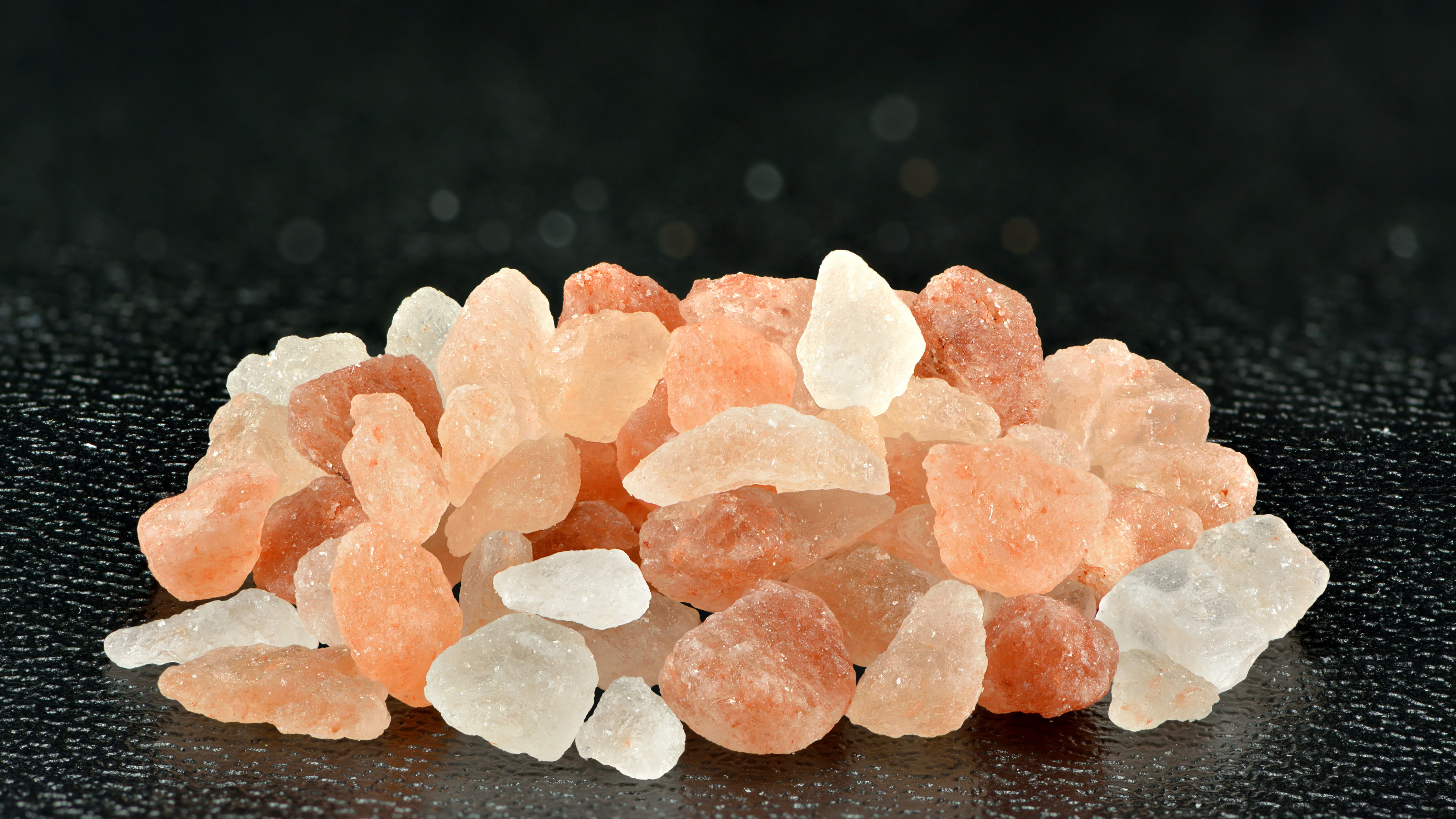

Its pink hue comes from minerals; popular for gourmet use.
- Kosher salt: Flaky, great for cooking due to easy pinching.
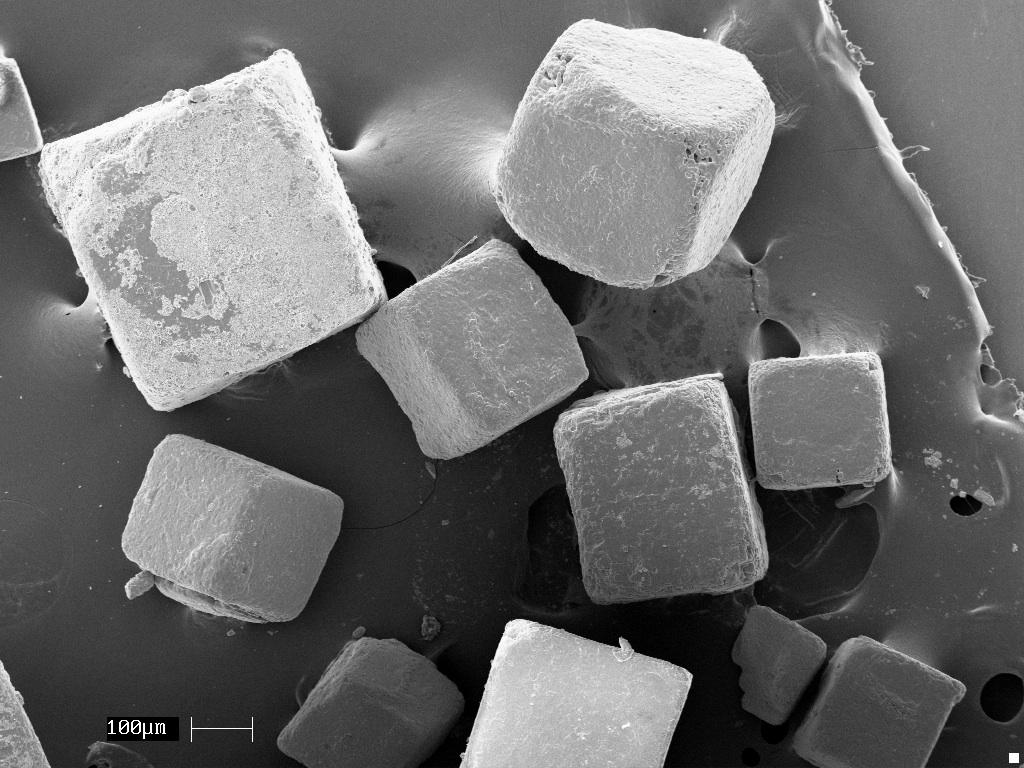
Under a microscope, table salt reveals perfect cubic crystals.

Why We Need It
Salt is vital for nerve function, muscle contraction, and fluid balance. Our bodies require about 200-500 mg of sodium daily, though most get far more. Interestingly, tears are salty because salt helps draw water to produce them. Only about 6% of produced salt is for food; much goes to de-icing roads, chemicals, and industry.
From currency to cuisine, salt’s story is one of necessity and wonder—a simple compound that seasoned human civilization. Next time you sprinkle some on your meal, remember: you’re tasting history.